Approximately 1,700 scientists visit SSRL annually to conduct experiments in broad disciplines including life sciences, materials, environmental science, and accelerator physics. Science highlights featured here and in our monthly newsletter, Headlines, increase the visibility of user science as well as the important contribution of SSRL in facilitating basic and applied scientific research. Many of these scientific highlights have been included in reports to funding agencies and have been picked up by other media. Users are strongly encouraged to contact us when exciting results are about to be published. We can work with users and the SLAC Office of Communication to develop the story and to communicate user research findings to a much broader audience.
Science Highlight Archive Science Highlight Banner Images
Holey Germanium - New Routes to Ordered Nanoporous Semiconductors
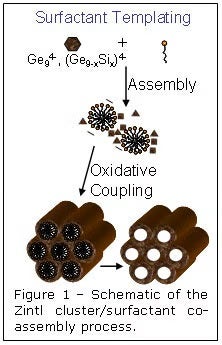
Porous nanoscale materials often have useful properties because of their proportionally large surface areas.
An Octahedral Coordination Complex of Iron(VI)
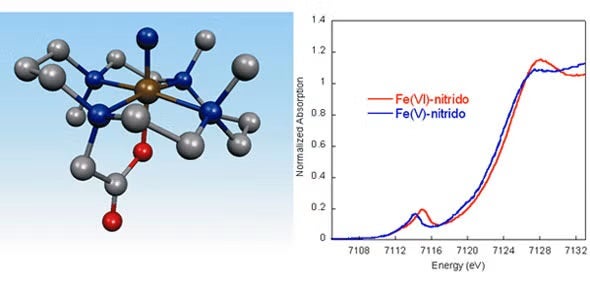
Chemists have synthesized and characterized a new, highly reactive form of iron that promises to deepen our understanding of this important element.
Crystal Structure of Iron-dependent Halogenase
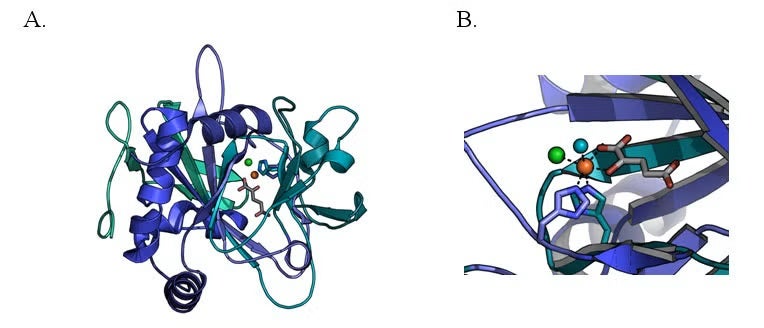
After years of wondering how organisms managed to create medically valuable natural products, like antibiotics and anti-fungal agents, chemists have discovered the surprisingly simple secret by shining
Controlling DNA Methylation
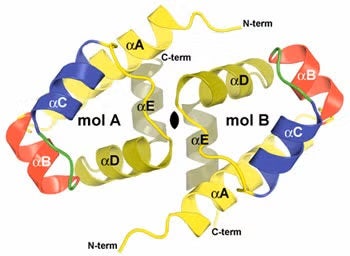
X-ray studies conducted at SSRL have shed light on a sword-and-shield type of defense used by bacteria to protect themselves from viral attacks.
Crystal Structure Sheds Light on Hereditary Coproporphyria
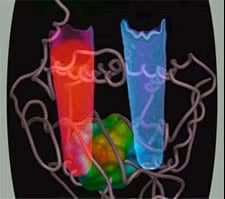
X-ray crystallography studies at the Stanford Synchrotron Radiation Laboratory recently shone light on a human enzyme that helps synthesize heme, the iron-containing pigment that helps carry oxygen to al
Small-Molecule Inhibition of TNF-alpha
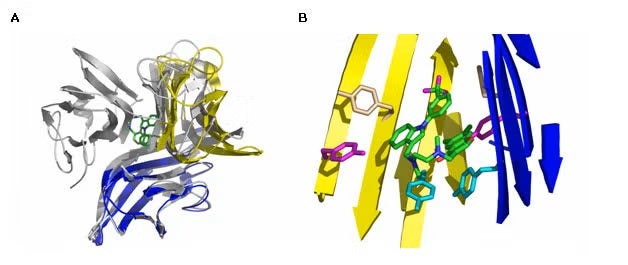
In rheumatoid arthritis and Crohn's disease, the immune system overreacts, provoking too much inflammation.
Highly Oriented Crystals in Polythiophenes
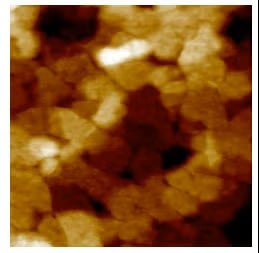
For close to a decade, researchers have been trying to improve the performance of plastic semiconductors to the level of amorphous silicon - the semiconductor used in low-cost electronics such as photov
Polymorphism of DNA-anionic Liposome Complexes Reveals Hierarchy of Ion-mediated Interactions
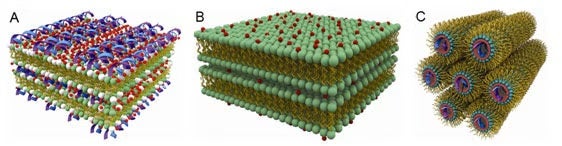
Gene therapy can potentially cure many hereditary and acquired diseases, such as cancer, hemophilia and cystic fibrosis, by delivering a healthy copy of a gene to the cells that need it.
High Resolution Snapshots for the Complete Reaction Cycle of a Cocaine Catalytic Antibody
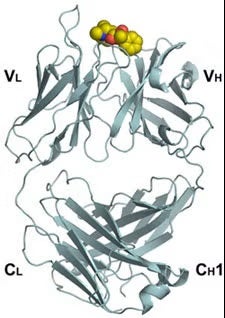
Cocaine abuse remains a major public health problem despite ongoing research aimed at developing therapies to counter its harmful effects.
Crystal Structure of a Conserved Phosphatase Domain of Non-structural Protein-3 (nsp3) from the SARS Coronavirus
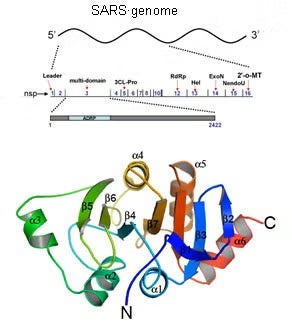
Severe acute respiratory syndrome (SARS) emerged as the first severe and readily transmissible new disease of the 21st century.
Collaborate on Science Highlights
We can work with users and the SLAC Office of Communication to develop the story and to communicate user research findings to a much broader audience.