Approximately 1,700 scientists visit SSRL annually to conduct experiments in broad disciplines including life sciences, materials, environmental science, and accelerator physics. Science highlights featured here and in our monthly newsletter, Headlines, increase the visibility of user science as well as the important contribution of SSRL in facilitating basic and applied scientific research. Many of these scientific highlights have been included in reports to funding agencies and have been picked up by other media. Users are strongly encouraged to contact us when exciting results are about to be published. We can work with users and the SLAC Office of Communication to develop the story and to communicate user research findings to a much broader audience.
Science Highlight Archive Science Highlight Banner Images

Substrate Recognition Strategy for Botulinum Neurotoxin Serotype A
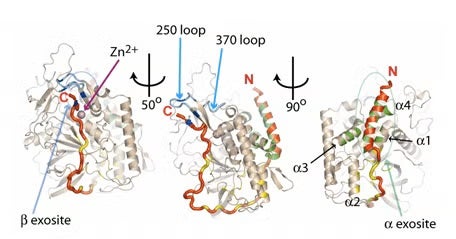
The Botox® face lifts and botulism disease are both caused by a neurotoxin from the bacterium Clostridium botulinum.
Structural Studies of Catalytically Stabilized Industrial Hydrotreating Catalysts
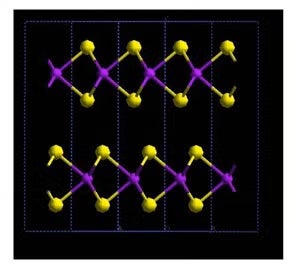
As oil prices rise, so will the market for cheaper forms of petroleum-based fuels.
Crystal Structure of an Anthrax Toxin -Host Cell Receptor Complex
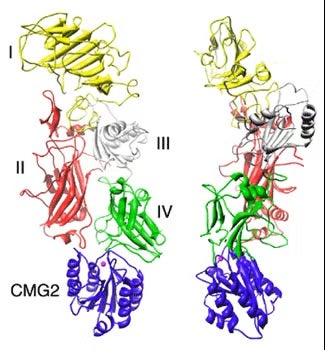
X-ray images have revealed how anthrax hijacks important cell machinery to enter and destroy human cells.
Investigations to Identify the Soluble, Non-pertechnetate Species in the High-level Nuclear Waste at the Hanford Site
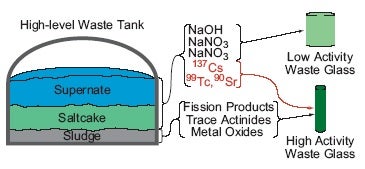
The Hanford nuclear waste site in southeastern Washington State is one of the most contaminated sites in the DOE complex.
A New Groove for the Helix-Turn-Helix Motif: Crystal Structures of the Human DNA Repair Protein AGT Bound to DNA
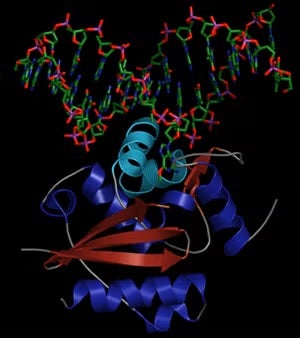
Error-free DNA replication depends on the maintenance of the correct chemical structure of each component base.
Side-on Cu-Nitrosyl Coordination by Nitrite Reductase
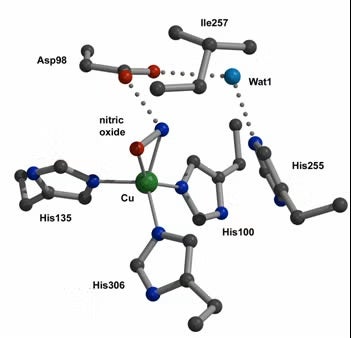
Nitric oxide (NO) is a small but powerful biologically active molecule that can protect or destroy cells.
Understanding the Role of Thiolate Ligation in Nature's Hydroxylating Heme Enzymes
Chloroperoxidase is one of a large class of heme proteins that play important roles in a number of physiological processes, including xenobiotic metabolism, neurological development, blood pressure control, and immune defense.
Resurrecting the Dead - Structural Analysis of Hemagglutinin from the 1918 Influenza Pandemic Strain
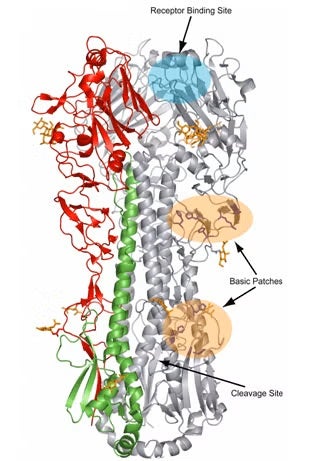
Researchers have literally unearthed clues as to why the 1918 influenza pandemic was so deadly.
Nanoparticles: Strained and Stiff
Extremely small pieces of a material aren't always a chip off a bigger block. How nanomaterials behave is tremendously important to know when trying to understand the roles of mineral nanoparticles in the environment, or design devices for nanotechnology.
Collaborate on Science Highlights
We can work with users and the SLAC Office of Communication to develop the story and to communicate user research findings to a much broader audience.